Nossal Institute for Global Health
Improving the public health and futures of vulnerable communities through global health research, education and inclusive development
Latest Nossal Institute News & Events
-
Research Units
Our units are engaged in research, education and consultancy services promote evidence-driven global health. Read more about our units and their work.
-
Graduate Research
A resource for students and supervisors seeking up to date information about policies and procedures
-
Publications
The Nossal Institute’s staff are active researchers, explore the recent published work of the Nossal Institute team.
-
PhD Projects
Our PhD Candidates have explored a wide range of topics. Meet our current students and learn about topics of past research students.
Graduate Research at MDHS
A resource for students and supervisors seeking up to date information about policies and procedures
-
Master of Public Health
The Master of Public Health offers students the opportunity to gain the skills and knowledge required for a career in global public health practice.
-
Population and global health courses
We offer studies in a wide variety of disciplines including, gender and women’s health, global health, health economics and economic evaluation, health program evaluation, health social sciences, Indigenous health, primary care and sexual health.
-
Professional Development Opportunities
Keep up to date with the latest research and information.
Our University of Melbourne subjects available through the Community Access Program.
We also offer free Massive Open Online Courses (MOOCs)
-
Scholarship, Bursaries and Prizes
The Faculty of Medicine, Dentistry and Health Sciences offer an extensive range of scholarships and bursaries to undergraduate and postgraduate coursework students.
-
Contact Us
Get in touch with us about our work or or degree or short course programs.
-
Support Us
Help us as we work to improve the health of disadvantaged and vulnerable people in Africa, Asia and the Pacific.
-
Our Partners
We recognise partnerships and collaborations are an integral facet of work.
-
Nossal Institute Newsletter
Our quarterly newsletter will keep you updated on our projects, research activities and publications.
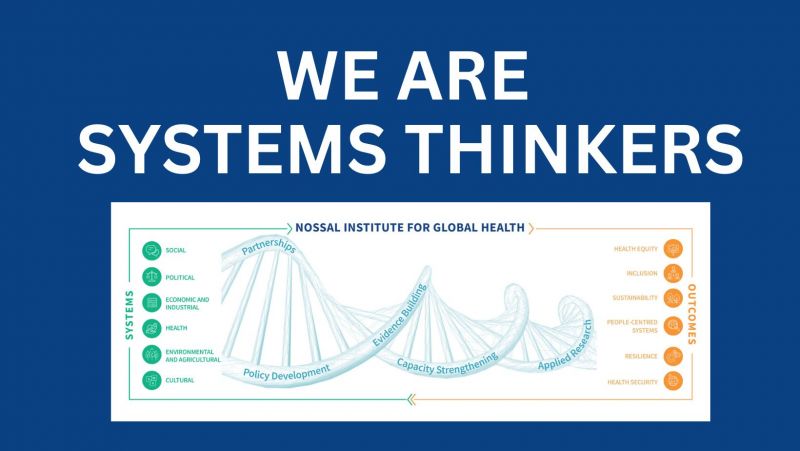
Nossal Institute for Global Health is a Centre of global health expertise housed within the University of Melbourne’s Faculty of Medicine, Dentistry and Health Sciences. We focus on strengthening the health systems for populations across the Asia Pacific region.
We use a systems lens, to understand the impact on the health and wellbeing of people of strategies and programs. Our experts explore, connect and assess decisions, policies, and strategies made in different settings for their impact on the health and wellness of people.
-
Our People
We are a multi-disciplinary team of applied researchers with global expertise, knowledge and skills.
-
Our Directors
Our board is responsible for the development and oversight of our long-term strategy and performance.
-
Our Founder
Internationally renowned immunologist Sir Gustav Nossal is one of Australia’s most dynamic scientific leaders and passionate advocate for the public health of vulnerable communities.
-
Governance Hub
As a community, Nossal Institute prioritises informed decision-making and ethical conduct. We foster a culture of integrity and are committed to transparency, fairness, and accountability.
-
Work with us
Are you interested in playing a part in strengthening the quality, affordability and inclusiveness of health systems in the Asia and Pacific region?
Who wants to kill you by telling you not to get the vaccine and why?
It’s not news that vaccine hesitancy is a major problem. Recent data suggest that those determinedly unwilling to be vaccinated against COVID-19 range from 30% of the population in Russia and 18% in the USA to less than 1% in China
No is a Healthy Word
As climate chaos escalates in the coming decade, transformation needs to happen faster and more comprehensively. Change has a price though.
We can’t keep doing the same things and expecting a different outcome. The cost of change is changing the status quo. Change means saying no.
Free Riding, Tipping Points and the G20: will lessons be learned from the catastrophic global failures in COVID-19?
Has COVID-19 shaken the complacency of the leaders of the G20 nations into taking steps to address the multiple crises the world is facing? Professor Barbara McPake, Nossal Institute Director, suggests optimism might lie in a tipping point prognosis

20 years of health system progress in Afghanistan: what now?
As the Taliban resume control of Afghanistan, Professor Barbara McPake, Nossal Institute Director, gives some thought to the impact on the Health Systems. After substantial investment in rebuilding a public health system associated with some of the worst health outcomes ever observed, what are the prospects for retaining any of the gains made since 2001?
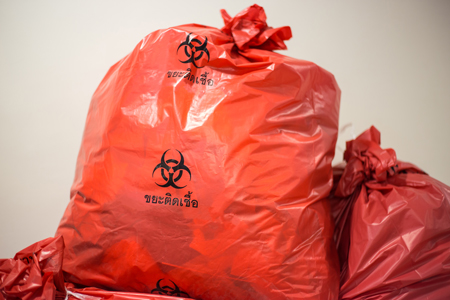
Why we need to green health care facilities
If healthcare was considered a country, it would be the fifth largest polluter on earth. To make a serious impact on climate change targets, we need to green our health systems and facilities.
Greening health care facilities builds their resilience to repeated climate-related threats and minimises their generation of environmental and climate related harm.
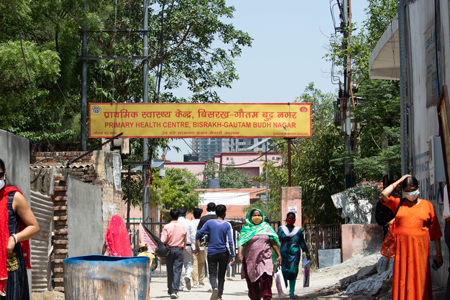
Regulating the informal sector and respecting people’s choices in the health system
Too many governments are simply unwilling, or incapable of investing in public health services in ways that ensure a combination of price and quality levels that can attract people away from unreliable providers. Professor Barbara McPake, discusses the critical role of resourcing the public health system in providing a baseline of service quality.
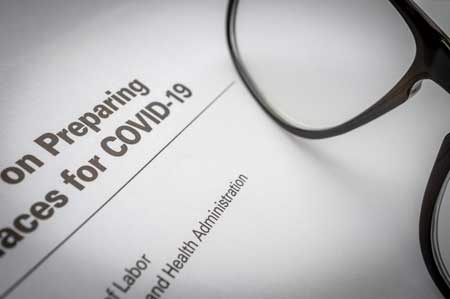
Pandemic preparedness: What have we learned from COVID-19?
The experience of the last 18 months has clarified that health system capacity is a lot more than numbers of hospital beds and qualified health workers. In our latest Issues In Global Health, Barbara McPake and Clare Strachan discuss the complexities of Pandemic Preparedness.
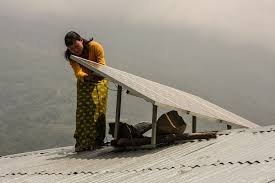
Is our infrastructure a COVID winner?
The Covid-19 pandemic has starkly highlighted the inter-relatedness and inter-connections between physical infrastructure, critical utilities and services, and the socio-economic web we live in.
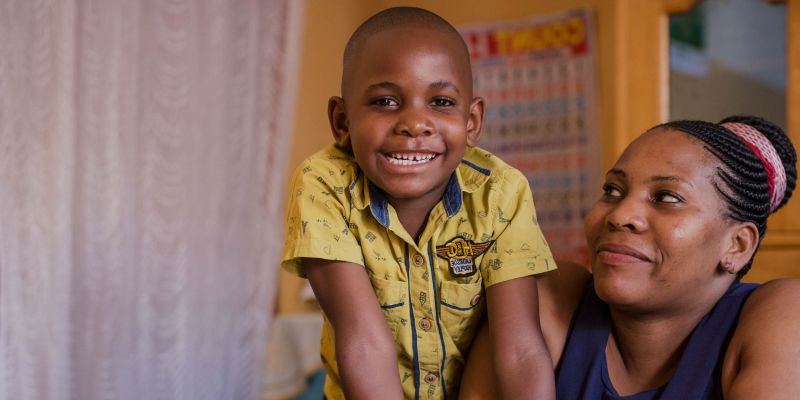
Health systems in transitions: the need for transformation in primary health care
There is an urgent need for a new vision of primary health care in the 21st century. In the latest Global Issues in Public Health Barbara McPake and Wes Pryor discuss Health Systems & the need for transformation and how better to integrate rehabilitation into health system.
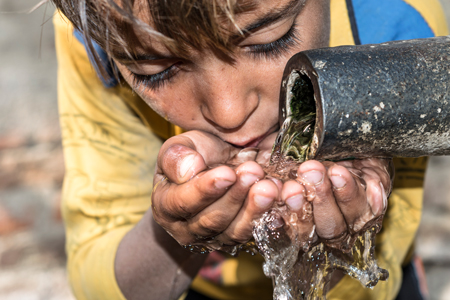
Aid hesitancy: a Global Scourge
British Members of parliament voted to lock-in cuts to foreign aid. This action is not unique. The commitment to achieving 0.7% of national income foreign aid, first agreed by the UN General Assembly in 1970, is in tatters. In the face of news of the real impact, there is evidence that attitudes in the UK are changing.
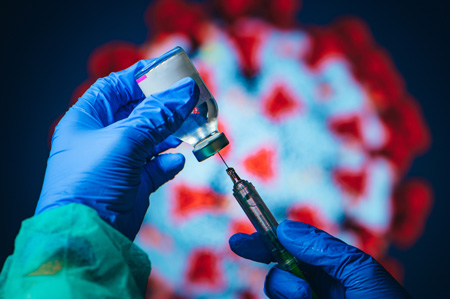
COVID-19 Vaccines for all. Where are we at?
Rich countries have bought up so much of the global vaccine supply that some could vaccinate their whole populations several times over. 32 countries have signed up for enough vaccine to fully vaccinate more than double their populations
What did Health Get from COP26?
COP26 has finished and what did health get out of it?
Well, it got many commitments.

Prescribing Nature
There has been plenty of talk at COP26 about nature-based solutions. As part of this, 133 countries have pledged their commitment to halt and reverse forest loss and land degradation by 2030
Putting health at the heart of climate talks
Putting health at the heart of all climate discussions in Glasgow this week is the goal of the World Health Organization. Its Special Report on Climate Change and Health urges ten high impact actions for governments to tak
Future Health Systems: Resilient and Sustainable
The Conference of the Parties to the UN Climate Change conference (COP26) starts this week in Glasgow. While a COP takes place every year, COP21 is best known because of the Paris Agreement
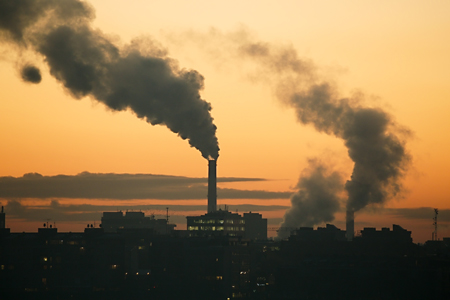
COVID Hero - Climate Laggard?
While COVID19 has shown the critical role of health systems as a first responder in a global planetary crisis, we need to recognise the uncomfortable fact that health systems are a major contributor to a different crisis - the climate crisis.